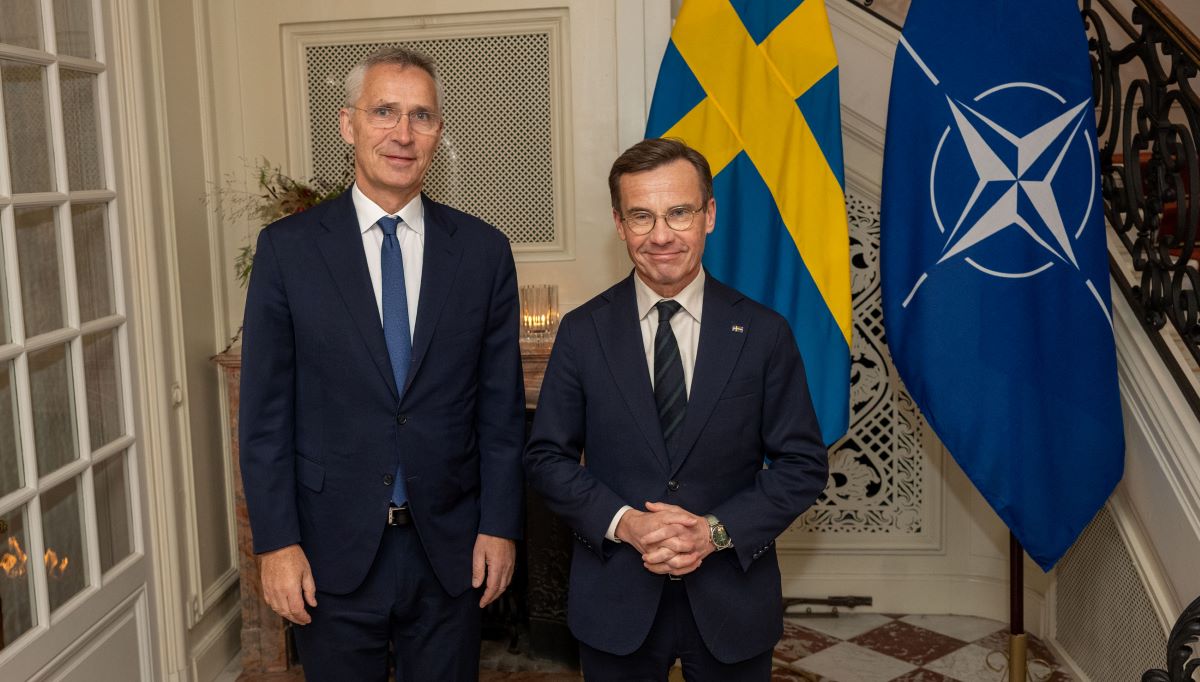
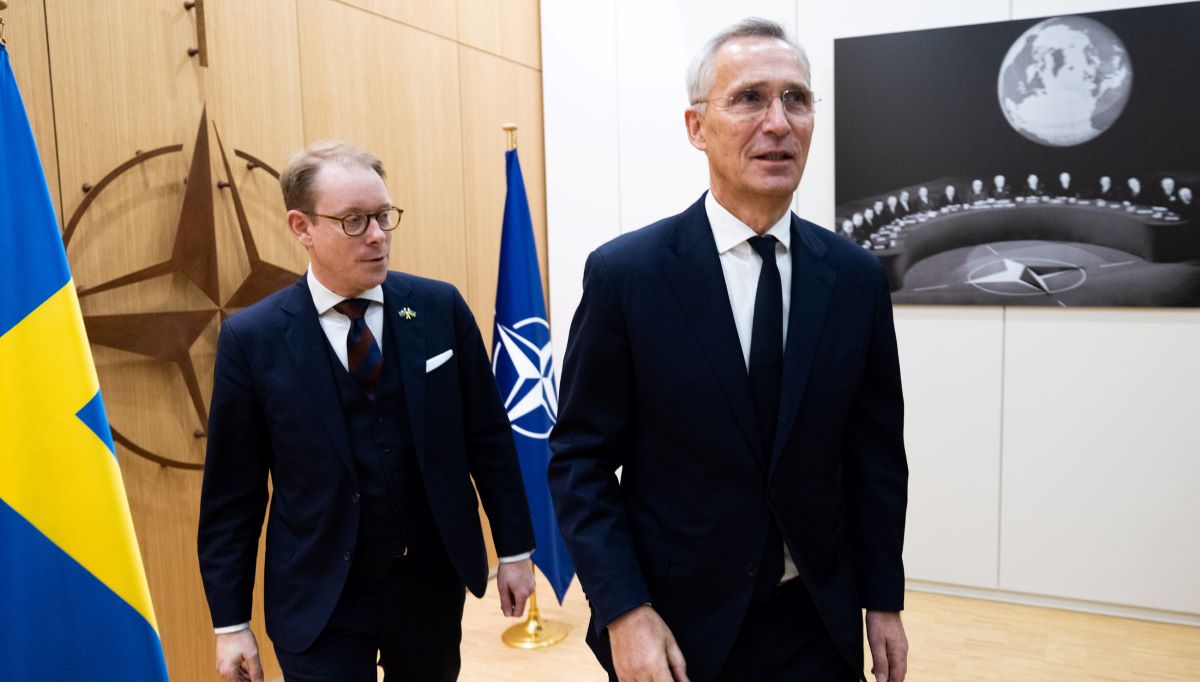
As the debate over Sweden’s potential NATO membership intensifies, the Scandinavian nation finds itself at a crossroads, grappling with a delicate balance between security concerns, historical neutrality, and the evolving geopolitical landscape. The road to NATO membership for Sweden is riddled with complexities that reflect the nuanced dynamics shaping European security and defense.
One of the primary challenges facing Sweden in its bid to join NATO is the delicate dance of maintaining traditional neutrality while acknowledging the evolving security threats in the region. Historically, Sweden has been renowned for its policy of non-alignment, steering clear of military alliances since the early 19th century. Joining NATO would mark a significant departure from this stance, raising concerns among segments of the Swedish population and political spectrum about the potential erosion of long-standing principles.
The specter of Russia looms large in Sweden’s considerations. As Moscow continues to flex its military muscles in the Baltic Sea region, concerns over territorial integrity and national security have intensified. The annexation of Crimea in 2014 and Russia’s assertive behavior in the Baltic Sea have led many in Sweden to reconsider the nation’s defense posture. However, the delicate balance involves aligning with NATO without unnecessarily provoking Russia, which could escalate tensions in an already volatile region.
Public opinion also plays a crucial role in Sweden’s NATO deliberations. While some segments of the population advocate for NATO membership as a means of bolstering the country’s defense capabilities, others remain staunchly opposed, citing concerns over entanglement in international conflicts and the potential for increased militarization. Striking a consensus that resonates with the Swedish electorate is a formidable challenge for policymakers navigating the intricate geopolitical landscape.
The alliance’s internal dynamics add another layer of complexity. NATO itself has undergone transformations, with divergent priorities among member states. Balancing the expectations of existing NATO members while safeguarding Sweden’s unique security concerns requires diplomatic finesse. Additionally, the ongoing challenges within the alliance, such as managing relations with Turkey and addressing emerging security threats, further complicate Sweden’s potential integration.
Beyond the geopolitical calculus, Sweden faces the practical challenge of meeting NATO’s defense spending targets. The alliance has consistently called on member states to allocate a minimum of 2% of their GDP to defense, a benchmark that could necessitate significant adjustments to Sweden’s defense budget. This fiscal dimension adds an economic dimension to the already intricate calculus of NATO accession.
In conclusion, Sweden’s potential NATO membership is a multifaceted issue that encapsulates the complexities of modern European security. Striking a balance between historical neutrality, regional security concerns, and the evolving nature of military alliances presents a formidable challenge for Swedish policymakers. As the debate unfolds, the nuanced dynamics at play will continue to shape Sweden’s role in the broader European security architecture, with implications for both the nation’s identity and the stability of the Baltic Sea region.