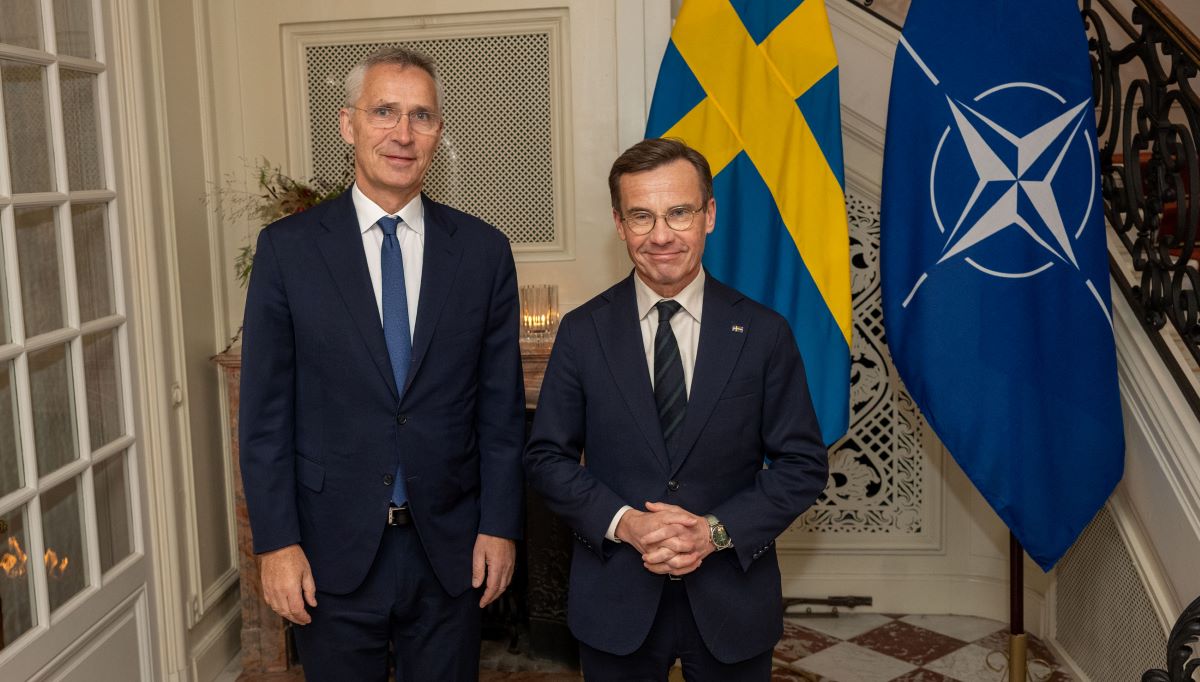
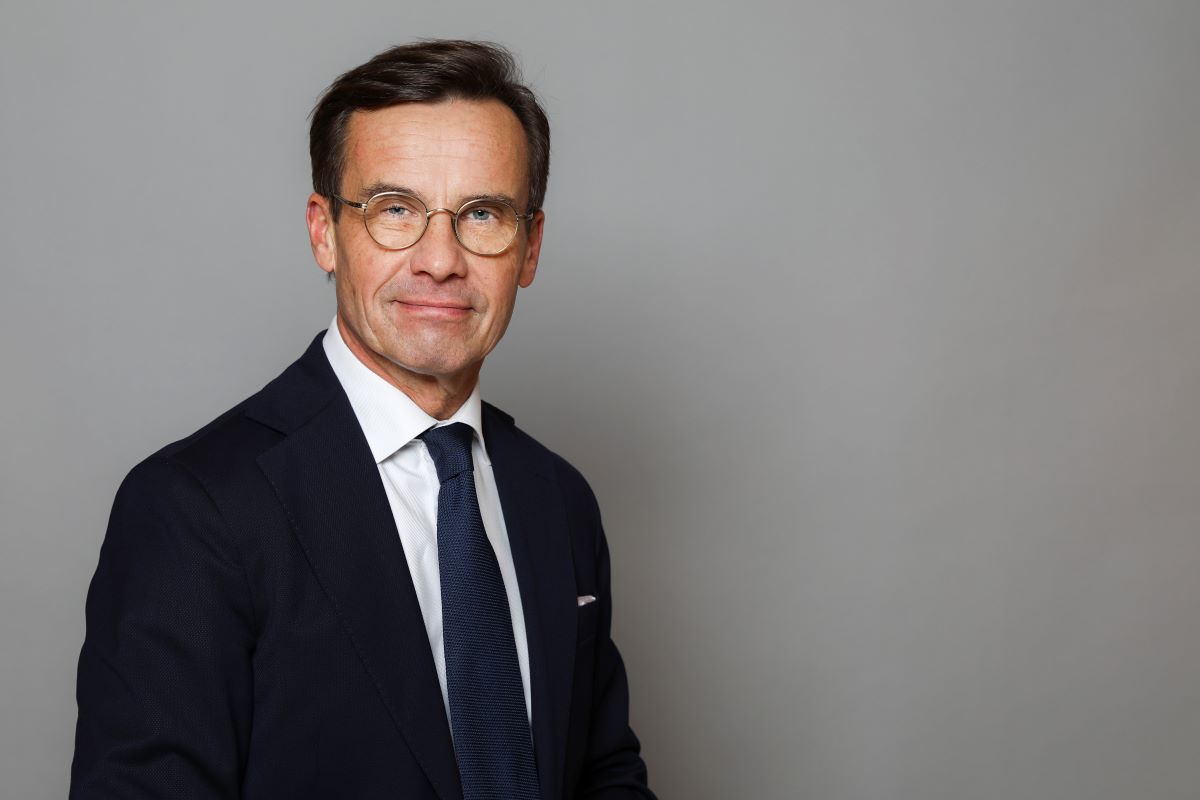
In the realm of Swedish politics, Prime Minister Ulf Kristersson emerges as a figure adept at walking the diplomatic tightrope, skillfully steering Sweden through the complex waters of NATO aspirations while seeking the backing of seemingly unlikely allies, Hungary and Turkey. Kristersson’s nuanced approach reflects a strategic understanding of the diverse geopolitical challenges shaping Sweden’s foreign policy.
As Sweden contemplates NATO membership amid heightened regional tensions, Kristersson has positioned himself as a pragmatic leader, leveraging diplomatic finesse to secure support from Hungary and Turkey. These two nations, with their own unique geopolitical concerns and alliances, might appear unconventional partners for Sweden’s NATO bid. However, Kristersson’s strategy suggests a keen awareness of the shifting geopolitical dynamics within Europe.
The Hungarian Connection: Kristersson’s outreach to Hungary, led by Prime Minister Viktor Orbán, underscores the intricacies of building alliances within the European Union. Orbán’s government has been known for its assertive nationalist policies, often clashing with EU norms. However, Kristersson’s diplomacy has found common ground, perhaps in Hungary’s own complex relationship with the EU. Orbán’s vocal critiques of the EU’s perceived overreach align with Sweden’s historical commitment to sovereignty, making Hungary a potential ally in Sweden’s bid for NATO membership.
Turkey’s Strategic Dance: Turkey, a NATO member itself, might seem an unexpected partner in Sweden’s quest for alliance support. However, Kristersson’s diplomatic maneuvering takes into account Turkey’s evolving foreign policy dynamics. Ankara’s relationships within NATO have been strained in recent years, particularly with the United States and several European nations. Kristersson’s overtures to Turkey may be an attempt to capitalize on this friction, presenting Sweden as a diplomatic partner offering a pragmatic alternative.
Kristersson’s tightrope diplomacy, while garnering support from Hungary and Turkey, is not without its challenges. Balancing the interests of these diverse partners, each with its own geopolitical considerations, requires a delicate touch. Sweden’s historical commitment to neutrality must be maintained even as Kristersson seeks backing from nations with more assertive foreign policies.
Moreover, the move raises questions about Sweden’s commitment to NATO’s values, given Hungary’s internal challenges regarding the rule of law and Turkey’s complex geopolitical entanglements. Critics argue that Kristersson’s diplomatic outreach may compromise Sweden’s standing on issues of human rights and democratic principles, elements integral to NATO’s core values.
In navigating this intricate diplomatic dance, Kristersson is not only seeking support for Sweden’s NATO aspirations but also shaping Sweden’s role as a regional mediator. His approach signals a departure from the traditional paths of Swedish foreign policy, reflecting a nuanced understanding of the evolving dynamics within the European geopolitical landscape.
As Sweden treads the delicate path toward potential NATO membership, Ulf Kristersson’s tightrope diplomacy with Hungary and Turkey exemplifies the complexities and strategic considerations inherent in the pursuit of alliances in a rapidly changing world. The outcome of this diplomatic dance will not only determine Sweden’s place in the broader security architecture but also spotlight Kristersson’s leadership on the international stage.