Environment
-
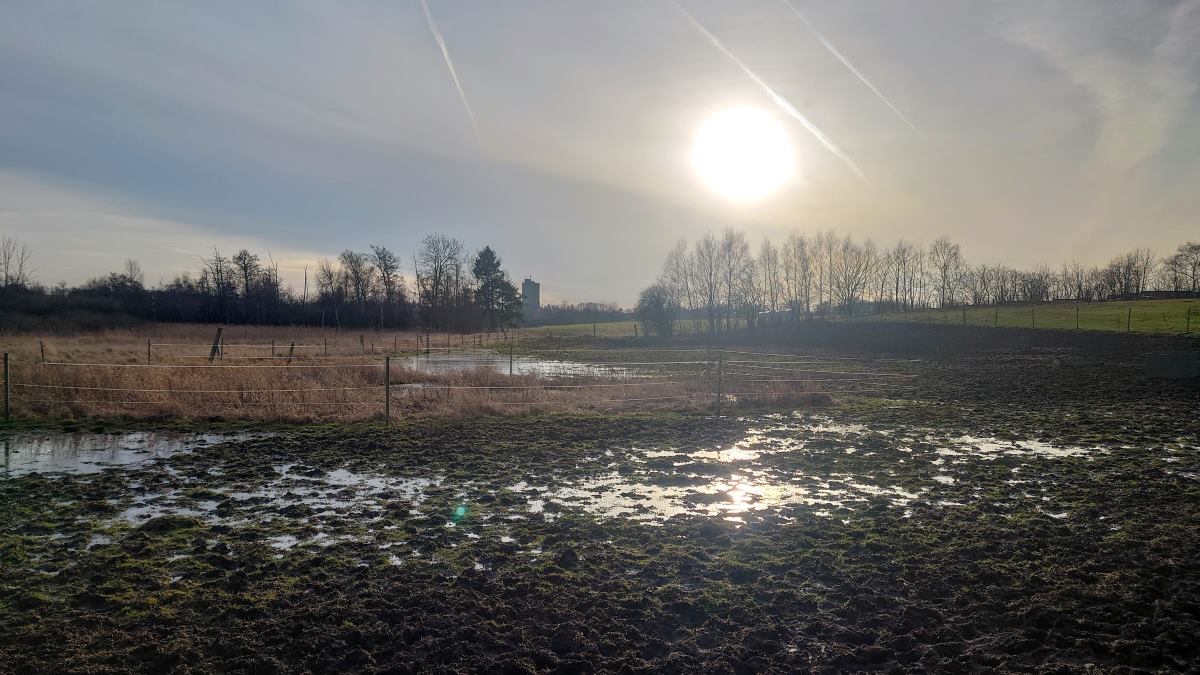
Denmark’s Low-Lying Land Conversion Program Stalls – Future Uncertain as 2030 Deadline Looms

COPENHAGEN, DENMARK – <DEMO CONTENT >With only half the targeted land converted and just six years left to reach their ambitious goal, Denmark’s program to take low-lying farmland out… Read article
-
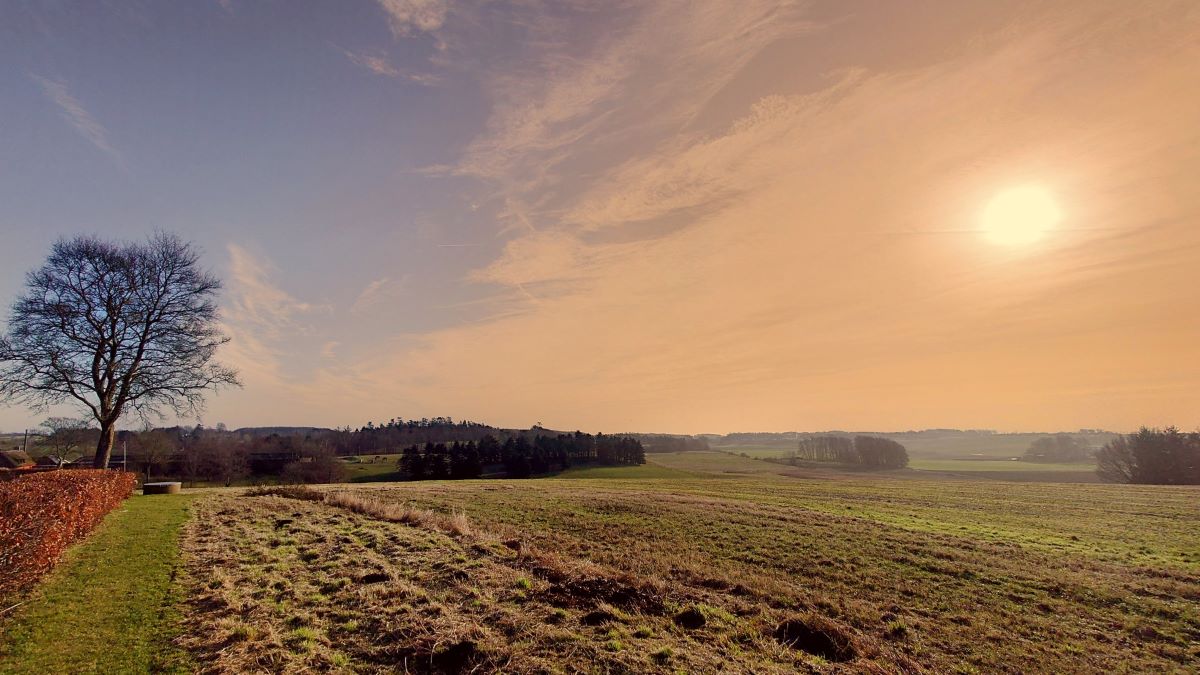
Focus: Low-lying soils
Latest development Summary Denmark is committed to an ambitious environmental strategy, aiming to convert 25,000 hectares of low-lying farmland into natural habitats by 2030. This initiative is projected to significantly mitigate biodiversity decline and slash greenhouse gas emissions. To facilitate this transition, a scheme rewarding farmers for retiring their land from agricultural use and transforming…
-
Can Farming on Low-lying Soils Coexist with Forests and Climate Goals?
Denmark, lauded for its commitment to sustainability, faces a complex dilemma: the continued agricultural use of low-lying, peat-rich soils. These soils, once drained and converted for farming, release significant amounts of greenhouse gases, jeopardizing Denmark’s ambitious climate goals. Yet, abandoning these lands entirely raises economic and social concerns for farmers and rural communities. This article…
-

Unlocking Earth’s Secrets: The Krafla Magma Testbed Explores the Depths
Deep within the rugged landscapes of Iceland, scientists are embarking on a groundbreaking venture to explore the mysteries of the Earth’s subsurface. The Krafla Magma Testbed, nestled near the Krafla volcano, is a pioneering research initiative that aims to unlock the secrets of magma behavior and advance our understanding of geothermal energy extraction. This innovative…
-
Nordic Collaboration Fuels Breakthrough in Energy Storage
Ilmatar and Polar Night Energy Partner to Advance Sand Battery Technology. The Nordic region, renowned for its commitment to sustainable energy and decarbonization, is poised to witness a significant advancement in energy storage technology through a groundbreaking partnership between Finnish companies Ilmatar and Polar Night Energy. This strategic collaboration aims to bring Polar Night Energy’s…
-
Analysis of Food Waste in Nordic Households over a Ten-Year Period
Introduction Food waste is a significant environmental and economic issue, with an estimated 1.3 billion tons of food wasted globally each year. In the Nordic region, food waste accounts for approximately 20% of household waste. This analysis examines the development of food waste in Nordic households over a ten-year period, from 2014 to 2024, and…
-
Navigating the Circular Turn: Nordic Companies Spearhead Sustainable Innovations
In the realm of sustainability, the Nordic region stands as a beacon of innovation, with a long-standing commitment to environmental stewardship. This commitment is evident in the thriving circular economy movement, where companies are actively seeking to decouple economic growth from resource depletion and environmental degradation. At the forefront of this movement are several Nordic…
-

Facing the Frost: Finland’s Climate Challenges
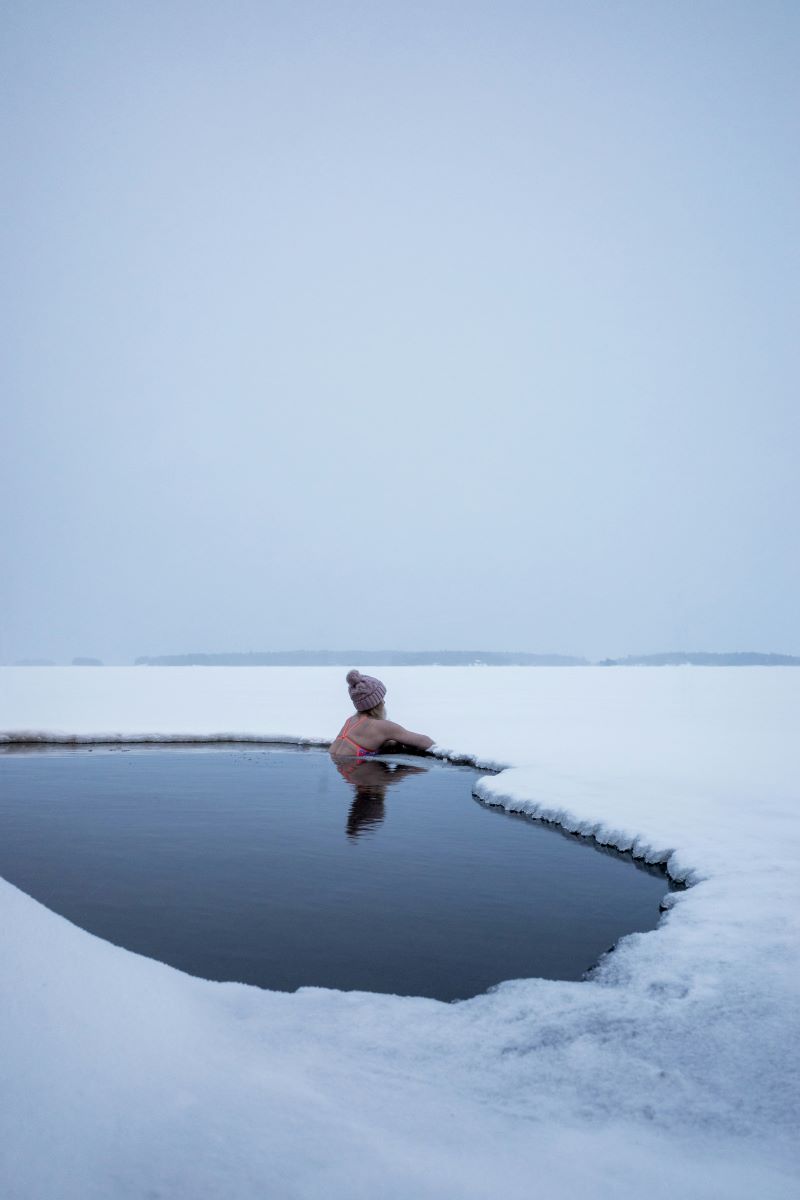
Finland, a country known for its stunning landscapes and Nordic charm, is also facing a stern challenge from climate change. Like many other nations, Finland is witnessing the effects of a warming planet, with rising temperatures, extreme weather events, and threats to its unique ecosystems. Rising Temperatures and Changing Seasons Finland has experienced a significant…
-
Iceland’s Biodiversity Shows Encouraging Signs of Recovery
Despite the challenges posed by climate change and other environmental threats, Iceland’s biodiversity is showing encouraging signs of recovery. A new report by the Icelandic Environment Agency (IEA) found that the number of threatened species has decreased by 20% since 2010. The report also found that the number of species of concern has increased by…
-
Can the Nordic Region Become the World’s Most Sustainable and Integrated Region by 2030?
The Nordic region is home to five countries: Denmark, Finland, Iceland, Norway, and Sweden. These countries have a long history of cooperation and share a common commitment to sustainability and integration. In 2019, the Nordic Council of Ministers adopted a vision for the region to become the world’s most sustainable and integrated region by 2030