
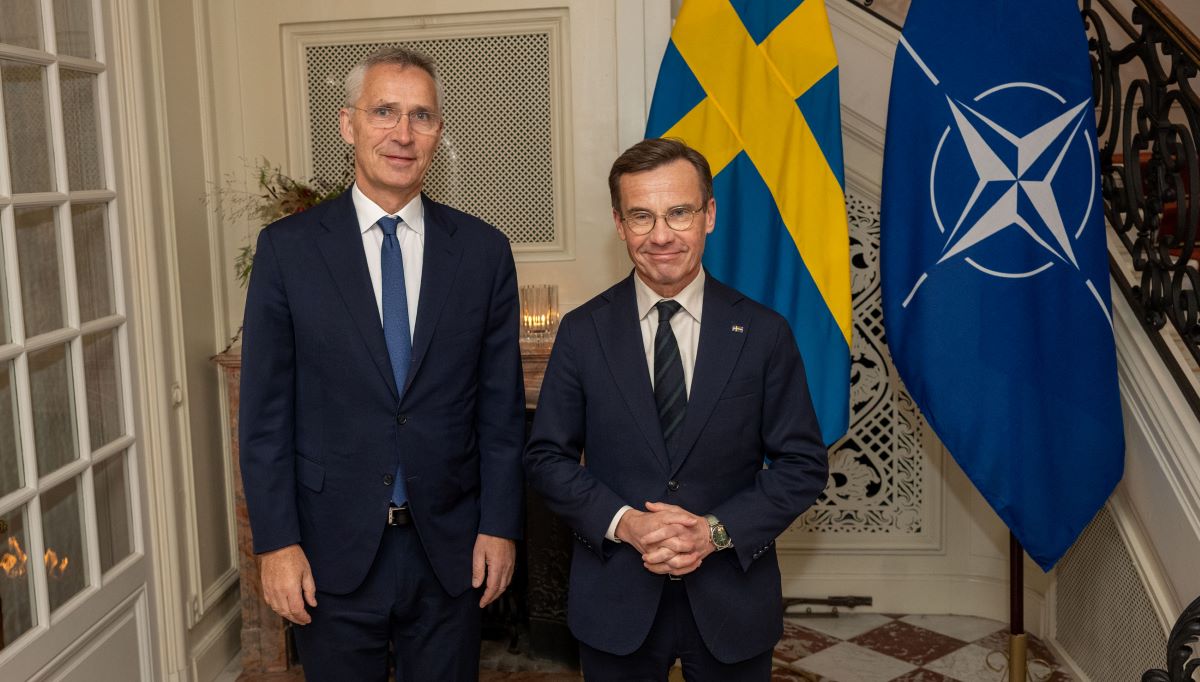
Sweden’s historical shift toward joining NATO, fueled by Russia’s invasion of Ukraine, faces a complex and uncertain path. Turkey still presents hurdles on the road to alliance integration. Moreover, Hungary’s Viktor Orbán makes it even more challenging.
Internal Considerations:
Sweden’s long-standing policy of neutrality is deeply ingrained in its national identity. Public opinion polls conducted by Aftonbladet and SVT show a rising tide of support for NATO membership, currently hovering around 60%. However, a significant minority remains hesitant, citing concerns about potential militarization, increased tensions with Russia, and the implications for regional security dynamics.
The Swedish Social Democratic Party, traditionally opposed to NATO, reversed its stance in May 2022, paving the way for the application. However, internal divisions persist within the party, with some members expressing reservations about the rapid change in policy.
External Pressures:
Sweden, alongside Finland, submitted a joint application to NATO in May 2022. While most member states expressed swift approval, Turkey emerged as a major obstacle. Ankara accused Sweden and Finland of harboring individuals linked to groups it considers terrorist organizations, demanding concessions before ratifying their accession protocols.
Negotiations between the three countries are ongoing, with recent meetings aiming to address Turkish concerns. However, achieving consensus remains challenging, adding uncertainty to the timeline for Sweden’s accession.
Hungary’s Stance:
Hungary, another NATO member with a complex relationship with the alliance, has yet to ratify Sweden’s accession. While Prime Minister Viktor Orbán initially expressed support for Nordic expansion, recent political developments within Hungary and broader geopolitical considerations might influence his final decision.
Domestically, Orbán faces growing criticism for his perceived closeness to Russia and his authoritarian tendencies. Ratifying Sweden’s membership could be seen as a gesture of solidarity with Western allies and a move towards distancing Hungary from Russia. However, Orbán might utilize the ratification process as leverage to extract concessions on other issues within the alliance.
Looking Ahead:
Sweden’s journey towards NATO membership remains fraught with challenges. Balancing internal anxieties with external pressures necessitates skillful diplomacy and continued public engagement. While Hungary’s final decision adds another layer of complexity, ultimately, Sweden’s success hinges on demonstrating its commitment to collective security and addressing the concerns of allies while safeguarding its own national interests.