
In the remote landscapes of Iceland, where the elemental forces of nature shape the very essence of existence, a literary maestro emerges from the shadows, painting vivid tales of crime and human complexity. Arnaldur Indridason, the Icelandic writer hailed as a master of Nordic noir, has etched his name in the annals of crime fiction with a distinctive voice that captures the austere beauty and enigmatic allure of his homeland. With a narrative prowess that combines intricate plots, nuanced characters, and an unwavering commitment to social commentary, Indridason has carved a niche in the literary realm, blending the rich tapestry of Icelandic culture with the universal themes of humanity’s struggles and triumphs.
Born in Reykjavik in 1961, Indridason’s literary journey began in the late 1990s when he introduced readers to his iconic protagonist, Detective Erlendur Sveinsson. The character, a brooding and introspective detective, became the linchpin of Indridason’s subsequent works, leading readers through the labyrinthine alleys of crime while also unraveling the complexities of Erlendur’s own troubled psyche. The success of his early novels, including “Jar City” (2000) and “Silence of the Grave” (2001), catapulted him onto the international stage, earning him critical acclaim and establishing Iceland as a powerhouse in the world of crime fiction.
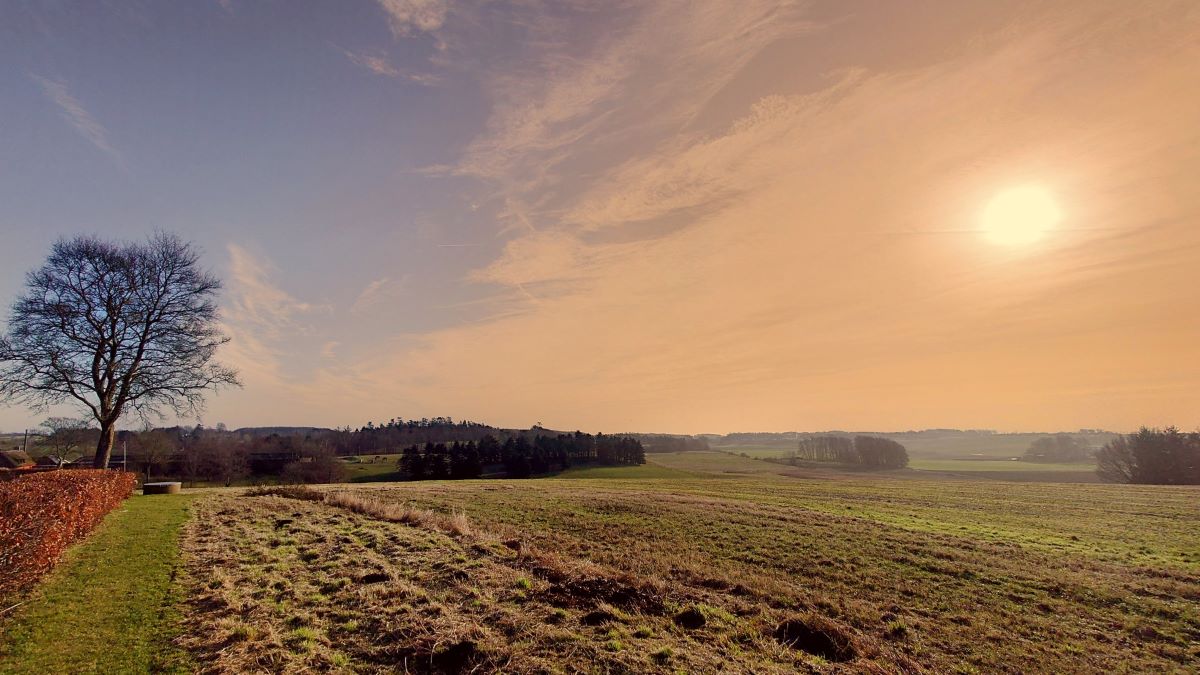
What sets Indridason apart is not merely the crafting of whodunnits but his astute exploration of the human condition against the backdrop of Iceland’s stark landscapes. In a nation known for its hauntingly beautiful vistas and a populace imbued with a deep respect for their cultural heritage, Indridason’s novels weave tales that resonate far beyond the confines of the crime genre. The chilling winds and desolate expanses of the Icelandic terrain mirror the emotional desolation of his characters, creating an atmospheric symbiosis that adds a layer of complexity to his storytelling.
Indridason is a meticulous architect of plots, constructing narratives that are not just thrillers but reflections on the social fabric of Icelandic society. He delves into the darker recesses of history, unearthing the skeletons that lie beneath the pristine surface of the nation. His works often confront the legacies of war, the scars left by political conflicts, and the impact of economic upheavals on the collective psyche of the Icelandic people. Through the lens of crime fiction, Indridason becomes a chronicler of societal evolution, offering readers a mirror that reflects the intricate interplay of tradition and modernity in Iceland.
The success of Arnaldur Indridason extends beyond his literary prowess; it is rooted in his ability to tap into the universal themes that resonate with readers from diverse cultural backgrounds. His exploration of human frailty, the pursuit of justice, and the enduring quest for truth transcends geographical boundaries, making his works accessible to a global audience. As the world becomes increasingly interconnected, Indridason’s novels serve as bridges that span the divide between the Icelandic experience and the shared struggles of humanity.
In the tradition of esteemed Nordic noir authors like Henning Mankell and Stieg Larsson, Arnaldur Indridason stands as a luminary, casting a long and indelible shadow over the landscape of contemporary crime fiction. His novels are not just gripping mysteries; they are profound examinations of the human soul, set against the unforgiving backdrop of Iceland’s raw beauty. With each page turned, readers embark on a journey into the heart of darkness, guided by a master storyteller who skillfully navigates the intricate web of human emotions and societal complexities. Arnaldur Indridason’s contribution to the literary world is not just a gift to crime fiction enthusiasts but a testament to the enduring power of storytelling to transcend borders and illuminate the shared human experience.