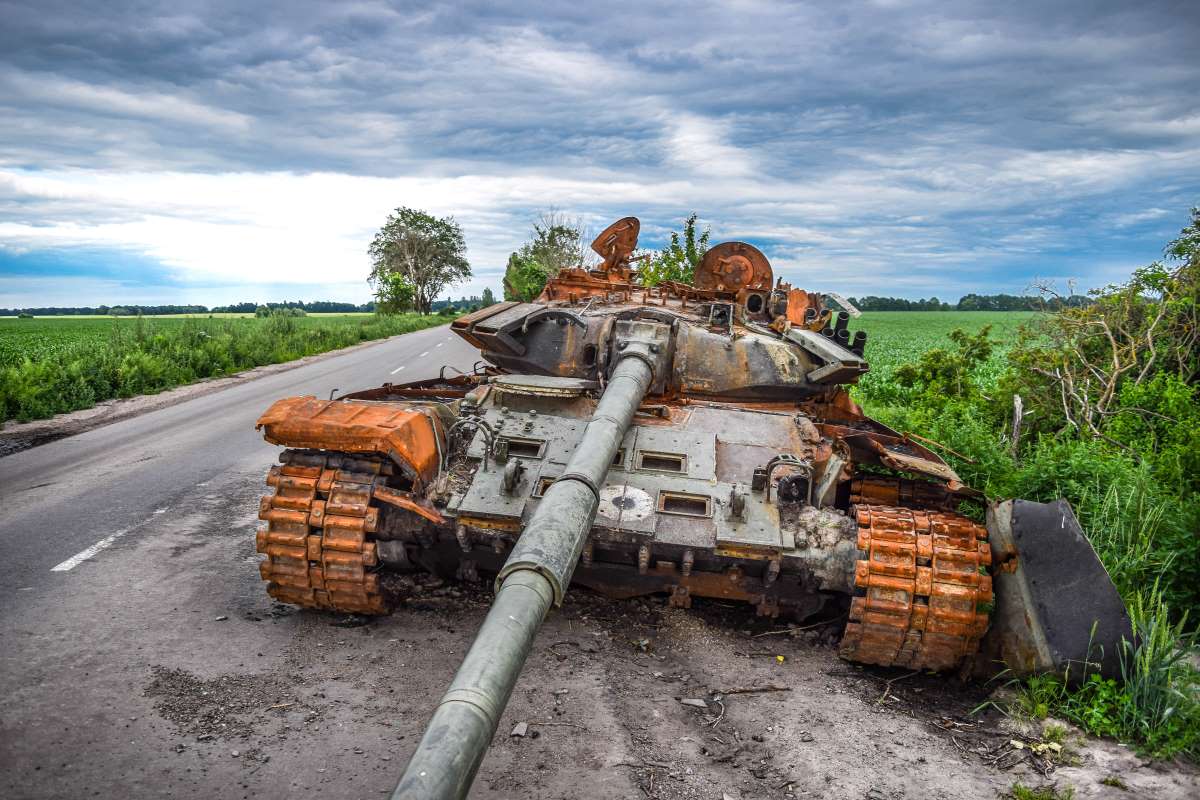
The Russian invasion of Ukraine in February 2022 has had a profound impact on the security situation in the Nordic region. Finland, in particular, has been forced to reassess its security posture in light of Russia’s increased assertiveness.
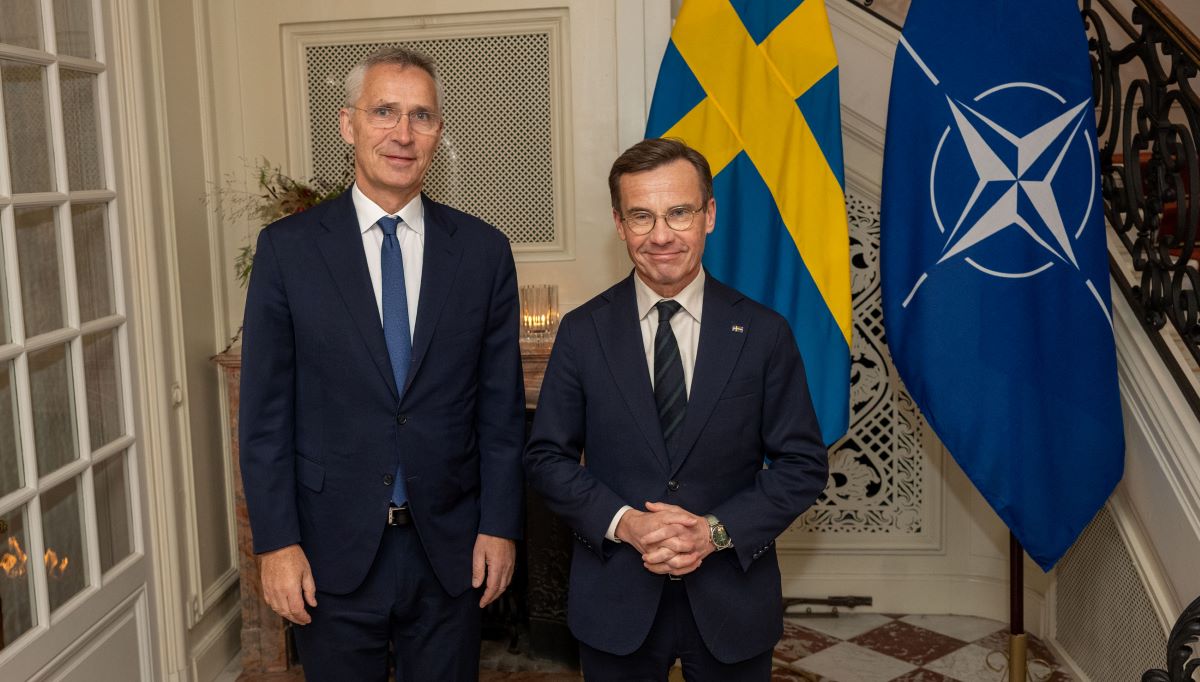
In May 2022, Finland applied for membership in NATO. This was a historic decision, as Finland had been a neutral country for more than 70 years. The Finnish government argued that NATO membership was necessary to ensure Finland’s security in the face of the Russian threat.
Russia has strongly opposed Finland’s NATO membership bid. In response, Russia has increased its military activity in the Baltic Sea region. This has led to concerns about a potential Russian military threat to Finland.
The new security situation at the Finnish-Russian border has implications for Nordic security cooperation. First, it has led to a strengthening of cooperation between Finland and the other Nordic countries. Finland has held talks with Norway, Sweden, Denmark, and Iceland about how to strengthen their security cooperation.
Second, the new security situation has led to a renewed focus on NATO cooperation in the Nordic region. NATO has increased its presence in the Baltic Sea region, and the Nordic countries have participated in NATO exercises and training.
Third, the new security situation has led to a debate about the possibility of a Nordic defense union. Some experts have argued that a Nordic defense union would be a more effective way to defend the Nordic region than NATO membership. However, others have argued that a Nordic defense union would be too costly and difficult to implement.
The new security situation at the Finnish-Russian border is likely to have a lasting impact on Nordic security cooperation. It has led to a strengthening of cooperation between the Nordic countries, a renewed focus on NATO cooperation, and a debate about the possibility of a Nordic defense union.
Specific implications for Nordic security cooperation
The new security situation at the Finnish-Russian border has the following specific implications for Nordic security cooperation:
- Increased military cooperation: The Nordic countries have increased their military cooperation in a number of areas, including exercises, training, and intelligence sharing.
- Closer cooperation with NATO: The Nordic countries have strengthened their cooperation with NATO, including through participation in NATO exercises and training.
- Increased focus on defense planning: The Nordic countries have increased their focus on defense planning, including efforts to improve their readiness and resilience.
These implications are likely to continue in the years to come, as the Nordic countries seek to adapt to the new security environment.