Denmark, lauded for its commitment to sustainability, faces a complex dilemma: the continued agricultural use of low-lying, peat-rich soils. These soils, once drained and converted for farming, release significant amounts of greenhouse gases, jeopardizing Denmark’s ambitious climate goals. Yet, abandoning these lands entirely raises economic and social concerns for farmers and rural communities. This article delves into the critical political problems arising from this intricate environmental, economic, and social struggle.
A Legacy of Drained Landscapes:
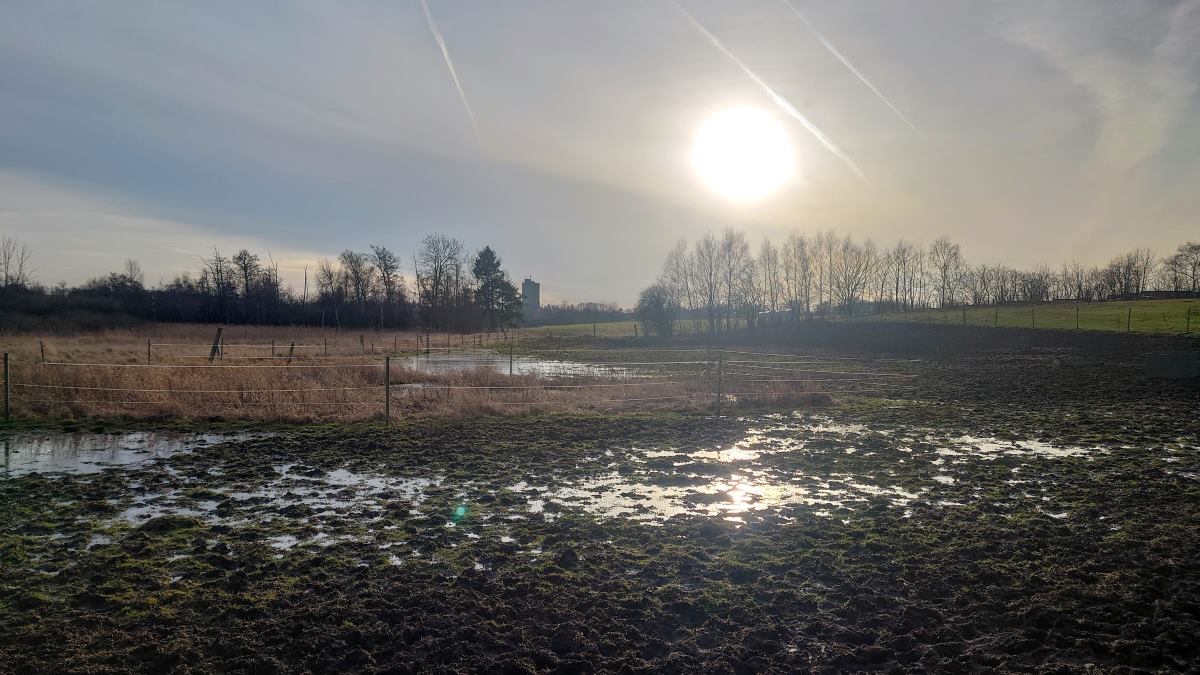
Much of Denmark’s agricultural land sits below sea level, a consequence of centuries of land reclamation projects. To cultivate these areas, extensive drainage systems were implemented, leading to the subsidence and decomposition of organic-rich peat soils. This decomposition releases nitrous oxide and carbon dioxide, potent greenhouse gases contributing to climate change. Estimates suggest agriculture on these soils accounts for nearly 10% of Denmark’s total emissions.
Conflicting Objectives, Stalled Solutions:
Despite the recognized environmental consequences, phasing out agriculture on low-lying soils presents formidable challenges. Farmers reliant on this land face significant economic hardship and uncertainty. Additionally, concerns exist about the impact on rural communities and Denmark’s overall agricultural output. Thus far, solutions proposed by the government, such as land consolidation and voluntary buyouts, have faced criticism for slow implementation and insufficient financial incentives for farmers.
Forests as a Double-Edged Sword:
One proposed solution involves rewetting these drained lands and converting them back to their natural state, often forests. While promising for carbon sequestration and biodiversity restoration, large-scale reforestation raises concerns about potential disruptions to the existing agricultural landscape and its associated industries. Finding the right balance between environmental gains and economic concerns remains a significant political hurdle.
Beyond Policy, A Societal Shift:
Addressing this complex issue necessitates not just policy changes but also a broader societal shift in perspective. Reframing the narrative to emphasize the long-term benefits of sustainable practices, both for the environment and future generations, is crucial. Additionally, fostering collaboration between stakeholders, including farmers, environmental groups, and policymakers, is vital to developing solutions that address everyone’s concerns.
Conclusion:
Denmark’s predicament regarding low-lying soils highlights the intricate connections between agriculture, land use, and climate change. Finding lasting solutions demands a nuanced approach that acknowledges the economic realities of farmers while prioritizing environmental sustainability and long-term climate goals. This complex balancing act necessitates political courage, innovative solutions, and a collective commitment to a sustainable future for Denmark’s landscapes and communities.