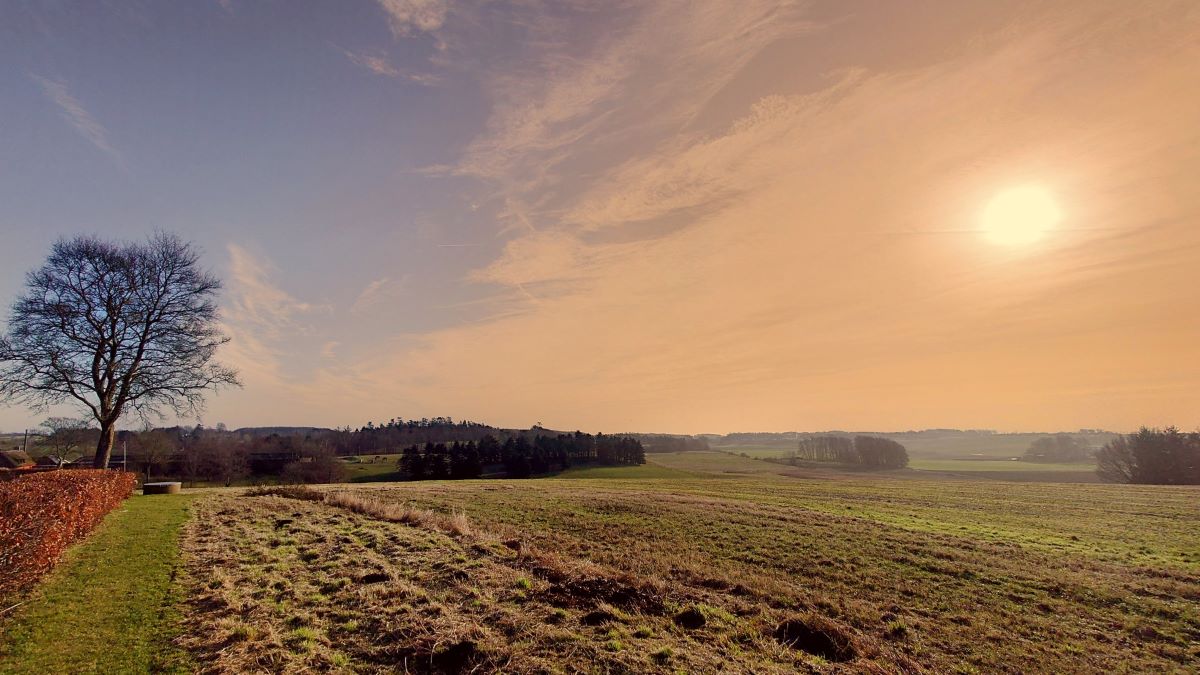

Despite the challenges posed by climate change and other environmental threats, Iceland’s biodiversity is showing encouraging signs of recovery. A new report by the Icelandic Environment Agency (IEA) found that the number of threatened species has decreased by 20% since 2010. The report also found that the number of species of concern has increased by 10%.
Iceland’s diverse ecosystem
One of the main reasons for the improvement in Iceland’s biodiversity is the country’s commitment to sustainable development. Iceland has set ambitious targets for reducing greenhouse gas emissions and protecting its natural environment. The government has also invested heavily in renewable energy and sustainable transportation.
Another factor contributing to the recovery of Iceland’s biodiversity is the country’s unique ecosystem. Iceland’s volcanic landscapes and cold climate create a habitat for a wide variety of species, many of which are found nowhere else in the world.
The IEA report also identified a number of challenges that Iceland still faces in protecting its biodiversity. These challenges include climate change, pollution, and habitat loss. The report called for continued investment in conservation efforts, as well as stricter regulations to protect Iceland’s natural environment.
Despite these challenges, Iceland’s biodiversity is on the mend. The country’s commitment to sustainability and its unique ecosystem give it a strong foundation for continued recovery. By addressing the challenges it faces, Iceland can ensure that its rich biodiversity will thrive for generations to come.
Key takeaways from the IEA report:
- The number of threatened species in Iceland has decreased by 20% since 2010.
- The number of species of concern has increased by 10%.
- Iceland is committed to sustainable development and protecting its natural environment.
- Iceland’s unique ecosystem is home to a wide variety of species.
- Iceland faces challenges from climate change, pollution, and habitat loss.
- Continued investment in conservation efforts is needed.
- Stricter regulations to protect Iceland’s natural environment are needed.
The IEA report is a positive sign for the future of Iceland’s biodiversity. With continued commitment and effort, Iceland can continue to improve its environmental record and ensure that its unique ecosystems thrive for generations to come.